

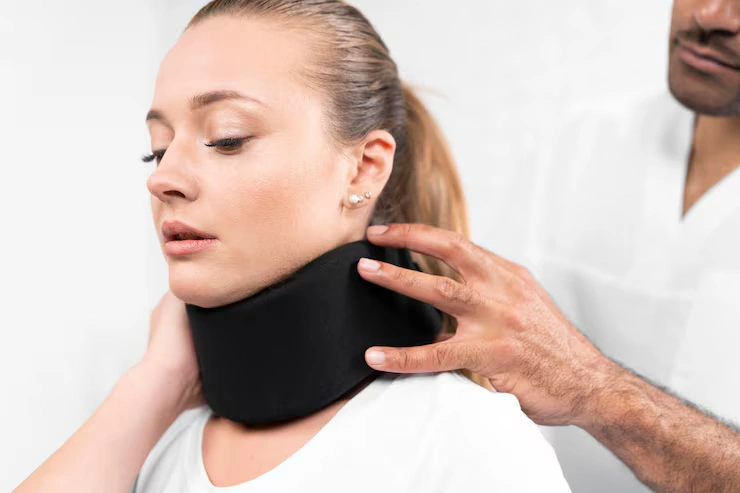
An accident injury clinic Brick, NJ patients turn to after a collision should offer more than temporary pain relief. Crash forces travel through the entire body, and the discomfort that brings someone through the door is often only the most obvious signal of a wider mechanical disturbance. Joints lose motion, muscles compensate, nerves become sensitized, and movement habits shift in ways that can quietly persist. This article explains why whole-body, multi-stage rehabilitation matters, how a coordinated clinic approaches recovery, and which clinical milestones indicate that function is genuinely being restored.
The Problem With Treating Only the Painful Spot
Pain after a collision is a poor map of where injury actually lies. A patient may feel neck pain while the real driver is restricted motion in the mid-back, or notice hip discomfort that traces to pelvic shear. Approaches that focus only on quieting the symptom can leave the underlying mechanical fault intact, so discomfort returns when activity resumes.
The Kinetic Chain Effect
The body works as a linked chain. When one segment is injured and moves poorly, neighboring segments absorb extra load. A stiff lumbar spine can overwork the hips and the thoracic spine, while a guarded neck can overload the shoulders and upper back. Over time, these compensations create secondary pain that looks like a brand-new problem but is really a downstream effect of the original injury.
Why Pain Relief Alone Can Be Misleading
Reduced pain does not necessarily mean restored function. A patient can feel better while still moving with limited range, weak stabilizers, or altered coordination. Without addressing those deficits, tissue may remain vulnerable to re-irritation. Good rehabilitation therefore measures movement quality, strength, and tolerance for everyday tasks alongside pain.
How an Integrated Clinic Organizes Care
Quality car accident injury treatment Brick, NJ patients receive is organized into stages that respect tissue healing and build capacity progressively. Each stage has its own clinical purpose, and progression depends on how the individual responds rather than on a preset schedule.
Stage One: Assessment and Protection
Care begins with a comprehensive evaluation: collision history, postural and gait observation, joint motion testing, neurological screening, and orthopedic assessment. The first treatment priority is protecting irritated tissue and calming inflammation through gentle techniques and activity guidance. Red-flag screening is also completed so that fractures, significant disc injury, or neurological compromise are identified and referred appropriately.
Stage Two: Restoring Motion and Alignment
As tissues tolerate more, the emphasis moves toward restoring joint motion and balanced alignment. Manual mobilization and carefully selected adjustments help release restricted segments, while soft-tissue therapies reduce the muscle guarding that holds those segments in place. The goal is controlled, comfortable movement throughout the spine and extremities. Patients with persistent stiffness in the neck may also read about neck pain chiropractic care to understand how cervical mechanics are addressed.
Stage Three: Stabilization and Neuromuscular Retraining
Once motion improves, stabilization becomes the priority. Deep trunk, neck, and hip stabilizers are retrained to share load properly, and proprioceptive exercises restore the body’s sense of joint position. This stage reduces the likelihood that joints will be repeatedly overloaded when everyday demands return.
Stage Four: Functional Reintegration
The final stage connects improved mechanics to real life. Patients practice the movements that matter to them, such as lifting, driving, reaching overhead, working at a desk, or returning to recreation. Ergonomic coaching and self-management strategies are added so that gains are maintained after formal care concludes.
The Soft-Tissue Therapies That Support Structural Recovery
Soft tissue is often the overlooked half of accident rehabilitation. Muscles, fascia, tendons, and ligaments all respond to trauma, and their recovery influences how joints behave.
- Myofascial release: reduces tension and restores glide between tissue layers.
- Targeted muscle work: eases protective spasm and improves local circulation.
- Guided stretching and mobility drills: encourage healing tissue to lengthen and align along lines of stress.
- Therapeutic exercise: rebuilds endurance and strength in tissues weakened by injury and guarding.
When these therapies are combined with joint care, they address both the restricted segment and the muscle that is maintaining the restriction.
Why Interdisciplinary Coordination Matters
Complex collision injuries can involve more than one body system. An accident injury clinic Brick, NJ residents consult should be willing to coordinate with primary care providers, imaging facilities, and specialists when findings call for it. This collaboration might include referral for advanced imaging, neurological evaluation for persistent numbness or weakness, or additional input for headaches and balance disturbances. Patients dealing with dizziness or unsteadiness can find related background in an overview of dizziness treatment after a car accident, which explains how cervical dysfunction can affect equilibrium.
Whole-Body Documentation as a Clinical Tool
Accurate records are part of good medicine. A well-kept chart captures baseline findings, measured changes in range of motion, neurological status, functional limitations, and the response to each intervention. This information lets clinicians recognize when progress stalls, adjust the approach, and communicate clearly with other providers. Documentation should always describe objective findings factually, and it supports continuity of care rather than predicting any specific result.
Patient involvement is a clinical variable in its own right. Following home exercise guidance, adjusting workstation setup, and reporting changes in symptoms honestly all help clinicians fit each stage of care to the individual. When a patient notices that certain movements still provoke discomfort, that information indicates which tissues need more support before activity is advanced, and it helps prevent setbacks caused by moving too quickly.
Warning Signs That Need Urgent Attention
Rehabilitation is appropriate for most musculoskeletal injuries, but some symptoms call for emergency evaluation. These include loss of bladder or bowel control, rapidly progressing weakness, numbness in the groin or saddle region, a sudden severe headache, chest pain, difficulty breathing, confusion, or loss of consciousness. These findings take priority over any outpatient rehabilitation plan.
Clinical Milestones That Signal Genuine Recovery
Recovery is best understood through function, not a single pain rating. Encouraging markers include:
- Restored and more symmetrical range of motion
- Reduced reliance on guarding or protective postures
- Improved strength and endurance in stabilizing muscles
- Greater comfort with sitting, driving, and sleeping
- Easier return to work tasks, household activities, and exercise
Individual experiences vary, and no outcome can be guaranteed. Tracking milestones simply allows the care plan to remain responsive and purposeful, which is what separates thoughtful car accident injury treatment Brick, NJ patients receive from generic symptom care.
Final Thoughts
Lasting recovery comes from treating the body as a connected system: protecting irritated tissue, restoring motion, rebuilding stability, and returning to meaningful activity with documented progress. For anyone seeking an accident injury clinic Brick, NJ offers for coordinated rehabilitation, Personal Injury Doctor Brick NJ provides comprehensive evaluation and structured, accident-focused care, supported by auto accident chiropractic care principles that prioritize function over symptom masking.
Frequently Asked Questions
What is the difference between an accident injury clinic and a general pain clinic?
An accident injury clinic centers on collision mechanics, whole-body assessment, objective documentation, and coordinated referral. A general pain clinic may focus mainly on symptom management without examining how crash forces affected the entire kinetic chain.
Can injuries from a crash appear in areas away from where I first felt pain?
Yes. Compensation patterns and referred pain can produce symptoms in the hips, shoulders, mid-back, or head even when the original strain occurred elsewhere. A full-body evaluation helps identify these connections.
Does multi-stage rehabilitation mean every patient follows the same plan?
No. Stages describe a clinical logic, not a rigid script. Progression depends on how tissues respond, the patient’s goals, and examination findings, and the plan is adjusted accordingly.
When should I involve another medical provider?
Involve another provider whenever symptoms include progressive weakness, severe or unusual headaches, significant numbness, or findings that do not fit a musculoskeletal pattern. Your clinician can also recommend referral when examination suggests it.